Latest Blog Posts
-

-

-

-

-

-

-

-

-

Why Successful Local Brands Fail When Scaling
May 25, 2026
-

Feb 27
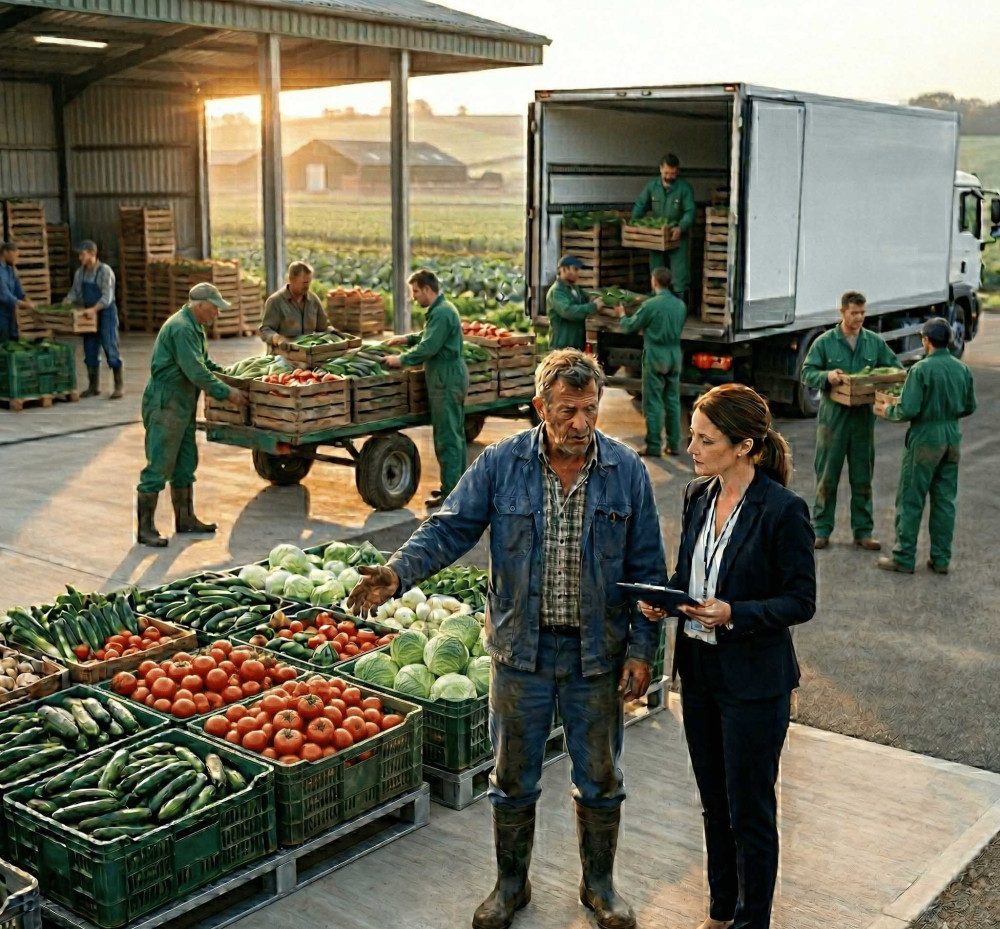
How retail dictates terms to farmers
The new market reality
Farmers once determined what and how to grow, then sold their harvest at the market or directly to consumers. Today, things are different: large retail chains control access to the shelves and effectively dictate the rules of the game. As a result, farmers increasingly find themselves not as masters, but as enforcers of the conditions imposed on them.
Retailers as a gateway to the consumer
To reach the consumer's table, a farm product almost always has to pass through retail. Even if farmers' markets or online platforms exist, chain stores still ensure the scale of sales.
Retailers are well aware of their power and use it:
- they impose prices;
- demand discounts on promotions;
- set delivery terms and conditions;
- can replace one supplier with another at any time.
The price dilemma
Chains are chasing low prices because the end consumer is sensitive to the ruble. For farmers, this means constant pressure: they are forced to reduce margins or increase production volumes to stay in the game. Many small farms simply cannot withstand this competition.
Logistics and standards
To enter the retail sector, a farmer must meet strict requirements:
- a uniform packaging format,
- a specific product size and caliber,
- labeling, and documentation.
This is possible for large farms, but for small farmers, these barriers become almost insurmountable.
Dependence on promotions
Chains regularly hold promotions where goods are sold at prices lower than the purchase price. Farmers are faced with the following dilemma: either participate and lose money, or be removed from the supplier list. This undermines the sustainability of the business and makes the farmer a "hostage to discounts."
Do farmers have a chance?
Despite strict retail regulations, farmers still have options:
- going directly to consumers through online stores and farmer marketplaces;
- creating cooperatives and negotiating with retailers on an equal footing;
- developing their own brand, which will be in demand even without a spot on supermarket shelves.
Summary
Retail is today a major player in the B2B food chain. For farmers, this represents both an opportunity and a risk: access to a huge audience, but under the rules dictated by the chains. Those who are able to adapt and seek alternative sales channels will be able to maintain their independence. The rest will have to submit to the chains' dictates.
Your experience matters! Take a short survey and see how others answered. Take part