Latest Blog Posts
-

-

-

-

-

-

-

-

-

Why Successful Local Brands Fail When Scaling
May 25, 2026
-

Feb 20
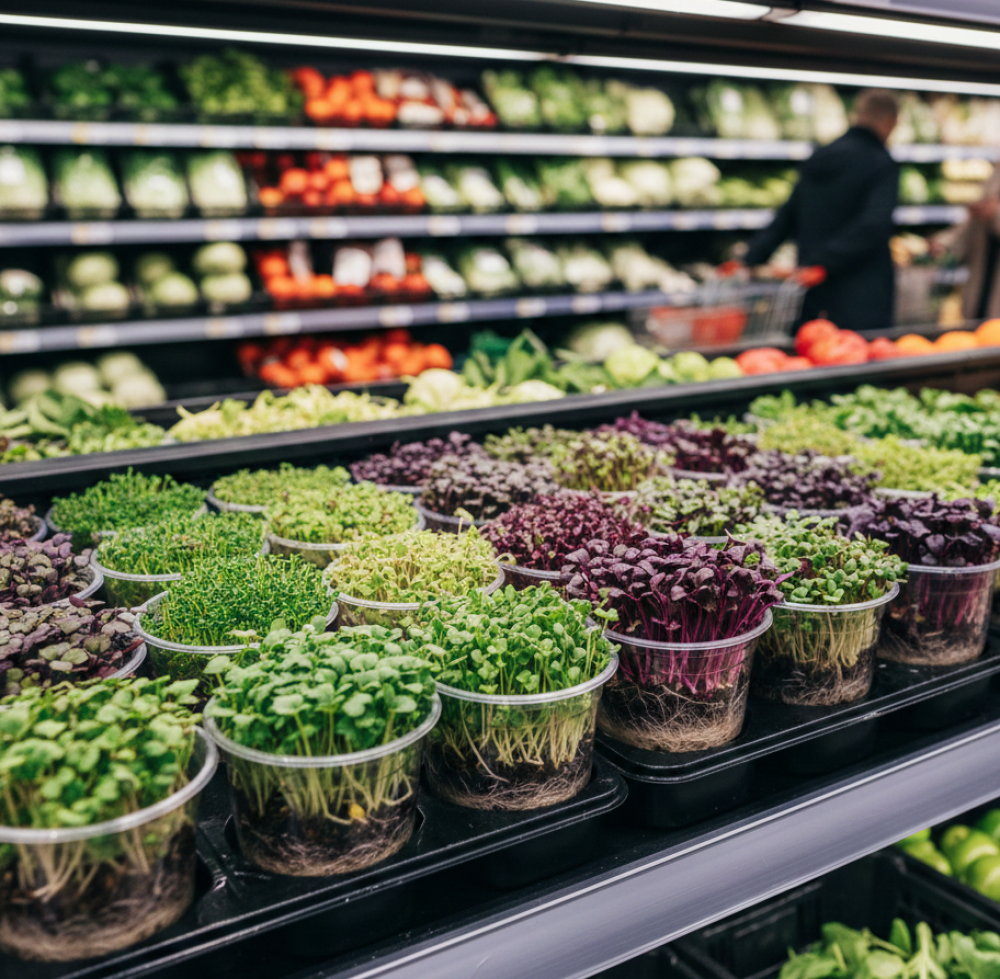
Potted greens: a business or a retail toy?
A new format on the shelves
A bunch of dill or parsley wrapped in plastic is a familiar option for shoppers. But in recent years, it's become increasingly common to find potted herbs in supermarkets: basil, cilantro, mint, and lettuce. Manufacturers promise a "live product" that you can cut right at home. But is this a real business model or just a marketing ploy?
Why did potted greens become popular?
- Preservation of freshness. Greens in bunches wilt quickly, but a pot provides additional shelf life.
- The trend toward eco-friendliness. Less packaging and waste.
- Emotion. It looks more alive and is perceived as something closer to a farm-grown product.
The economics
Producing potted greens is more expensive: it requires greenhouses, special substrates, and microclimate control. But the retail price more than covers the costs: consumers are willing to pay 30-50% more for a "live" product. This represents an attractive margin for retailers.
Problems and limitations
- Fragility. Even under ideal conditions, a pot of herbs won't keep for more than a week.
- Transportation. They're more difficult to transport than regular bunches.
- Seasonality of demand. Sales rise in winter (customers want a "live" product), but fall in summer (due to the summer cottage and market).
Consumer psychology
For city dwellers, potted greens are a small joy. They create the feeling of having "your own garden" in the kitchen. But this format hasn't yet become widespread: many people buy bundles out of habit, finding them more convenient and cheaper.
The future of the format
Potted greens will likely occupy the "premium product" niche in supermarkets. However, they won't completely replace traditional greens. Hybrid solutions are possible in the future: reusable pots, microgreen trays, and home mini-farms.
Bottom line
Potted greens aren't a toy, but a promising, albeit niche, segment. For retailers, it's a way to earn more and give customers an emotional experience. For consumers, it's an alternative to bunches, but not a complete replacement.