Latest Blog Posts
-

-

-

-

-

-

-

-

-

Why Successful Local Brands Fail When Scaling
May 25, 2026
-

Mar 16
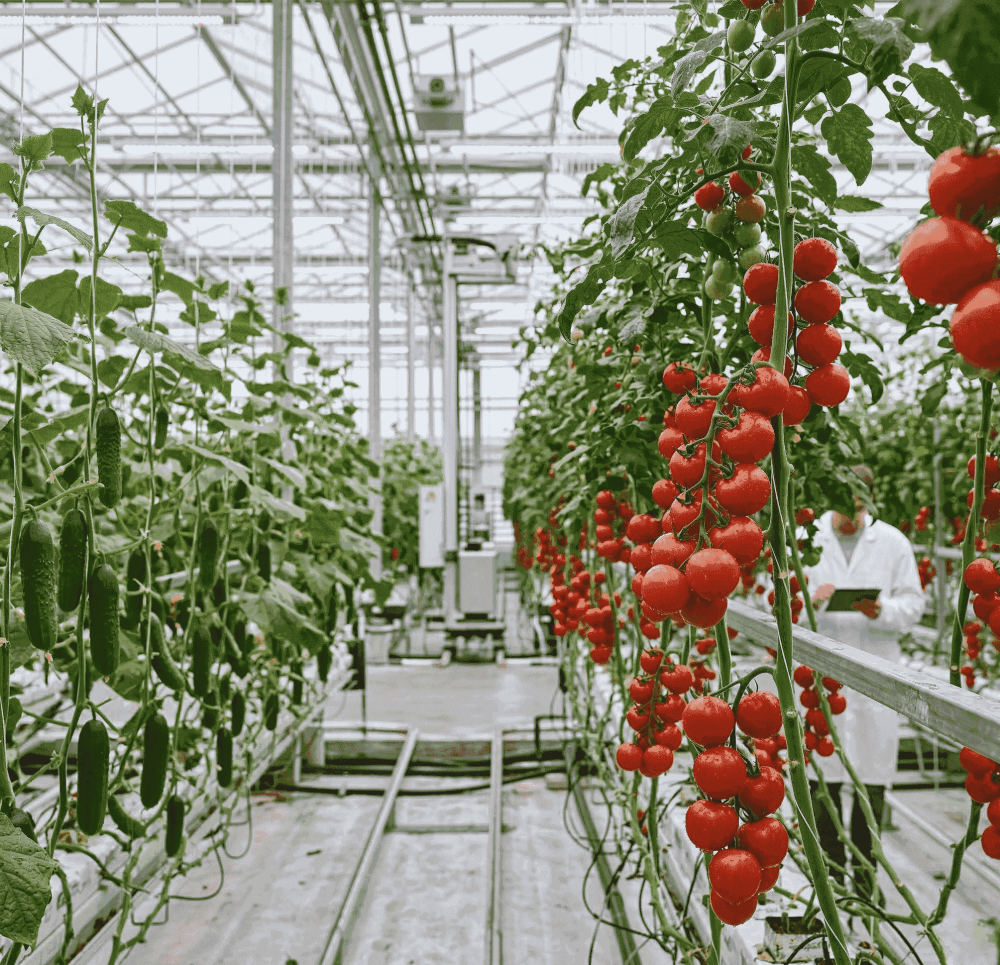
Cucumbers and tomatoes 2.0: what the greenhouse boom has changed
From winter shortages to year-round harvests
Until relatively recently, cucumbers and tomatoes were perceived as expensive and not always a good compromise in winter. During the colder months, they were either imported from distant regions or grown in limited quantities in old greenhouses. As a result, vegetables were often inferior to seasonal produce in taste and quality, and prices remained high.
Over the past 10-15 years, the situation has changed radically. Modern greenhouse complexes have made vegetable production virtually year-round. Cucumbers and tomatoes have ceased to be seasonal products and have become a stable category on supermarket shelves.
This transition has changed more than just the availability of vegetables. It has transformed the entire system of production, logistics, and consumption. Today, greenhouse vegetables are a distinct segment of the agricultural market, in which technology plays no less a role than climate and seasonality.
Why the greenhouse market has grown so rapidly
The growth of greenhouse production is the result of several interrelated factors.
- Investments in agricultural technology
Modern greenhouse complexes differ significantly from the traditional greenhouses of the past. They are high-tech agricultural production systems in which many processes are automated.
These farms utilize:
• hydroponic growing systems
• automatic irrigation and plant nutrition control
• LED lighting
• temperature and humidity control systems
• digital plant growth sensors
These technologies significantly increase crop yields and production stability.
- Growing demand for fresh vegetables
Consumer habits have also changed. Shoppers have become accustomed to seeing familiar vegetables on store shelves year-round. Salads, vegetable dishes, and fresh produce have become part of the daily diet.
Retailers, in turn, are interested in stable supplies. Greenhouse production allows for predictable volumes and reduces dependence on seasonal fluctuations.
- Reducing dependence on imports
For many markets, the development of greenhouse complexes has become a way to reduce dependence on vegetable supplies from other countries. Local production reduces transportation costs, speeds up logistics, and makes supplies more stable.
New vegetable quality
One of the key changes has been the improved quality of greenhouse vegetables.
While winter tomatoes were previously often perceived as tasteless and watery, modern varieties and growing technologies have significantly improved the situation.
Today, producers are focusing on:
• flavorful tomato varieties
• compact packaging
• visual appeal of the product
• consistency of size and color
These varieties have seen a particularly noticeable increase in popularity:
• cherry tomatoes
• plum tomatoes
• cocktail tomatoes
• mini cucumbers
These categories are well suited for the modern retail and restaurant industries.
For restaurants and delivery services, year-round availability of vegetables has become especially important. This allows them to maintain a stable menu and not rely on seasonal supplies.
How the greenhouse boom changed the market economy
The emergence of large greenhouse farms also changed the economics of the vegetable market.
- Supply stability
Greenhouse production allows for volume planning months in advance. This makes the supply chain more predictable for retailers and wholesale buyers.
- New competition
Greenhouse vegetables compete not only with each other but also with imported products. This encourages producers to improve quality, packaging, and variety diversity.
- New logistics
Local greenhouse complexes are often located closer to major cities. This reduces delivery times and helps preserve product freshness.
Limitations and challenges of greenhouse production
Despite technological advances, the greenhouse sector faces a number of challenges.
- High energy costs
Maintaining a healthy microclimate in greenhouses requires significant energy resources. Lighting, heating, and ventilation significantly impact production costs.
- Environmental issues
Large greenhouse complexes can have an impact on the environment, especially when using traditional energy sources.
- Taste perception
Despite improved technology, some consumers still believe that vegetables grown outdoors in summer have a richer flavor.
This creates a persistent perception divide:
• "seasonal vegetables"
• "greenhouse vegetables"
Consumer psychology
In recent years, consumer attitudes toward greenhouse vegetables have changed significantly.
For urban consumers, they are no longer a temporary replacement for seasonal produce. Today, they are a familiar part of the daily diet.
However, many consumers still distinguish between:
• summer vegetables grown outdoors
• year-round vegetables
This distinction influences price perception and choice in stores.
The future of greenhouse technologies
The next stage of development in the greenhouse industry is linked to increased energy efficiency and automation.
Key areas of development:
• use of renewable energy sources
• automated greenhouse management systems
• biological plant protection
• reducing water consumption
• implementing artificial intelligence in crop management
More and more projects are developing using the smart greenhouse model, where production is controlled as much as possible by digital systems.
Summary
The greenhouse boom has transformed cucumbers and tomatoes from a seasonal product into a year-round category.
Technology has made production more stable, giving retailers predictable supplies, and consumers constant access to fresh vegetables.
The next stage of market development will be associated not so much with increased volumes as with improved taste, energy efficiency, and production sustainability. These factors will determine the future of the greenhouse vegetable market in the coming years.
Your experience matters! Take a short survey and see how others answered. Take part